Best Japanese Saya (Wooden Sheaths) and Storage Options
- To prevent rust, clean knives immediately after use with neutral dish soap and dry thoroughly, as moisture and oxygen are the primary culprits behind rust formation on blades Sakai Ichimonji Mitsuhide knife care guide.
Last updated: April 2026
Affiliate Disclosure: We may earn a commission when you purchase through our links. This does not affect our editorial independence.
Quick Answer
- To prevent rust, clean knives immediately after use with neutral dish soap and dry thoroughly, as moisture and oxygen are the primary culprits behind rust formation on blades Sakai Ichimonji Mitsuhide knife care guide.
- Sharpening frequency depends on usage, but monthly or bi-monthly sharpening (1-2 times per month) is generally recommended for optimal performance and to maintain a sharp edge Tsukiji Aritsugu sharpening and care instructions.
- Avoid dishwashers entirely, as their strong alkaline or acidic detergents and high temperatures can cause significant rust on both steel and stainless steel knives, and damage delicate wooden handles Sakai Ichimonji Mitsuhide knife care guide.
- For long-term storage, apply blade oil (camellia oil is recommended) to the entire blade, then wrap the knife in newspaper to absorb moisture and provide rust protection from the ink's oil Jikko knife care guide.
Caring for Japanese kitchen knives properly extends their lifespan and ensures they remain razor-sharp for daily cooking. The key to maintaining these precision tools lies in understanding the materials they are made from, primarily steel (hagane) and stainless steel, and how they react to environmental factors. Rust, a common adversary for all knives, is primarily caused by the interaction of water and oxygen with the metal surface, a chemical reaction that can quickly degrade even the finest blades Sakai Ichimonji Mitsuhide knife care guide. Stainless steel, while more resistant, is not immune and can develop issues like pitting corrosion if not properly maintained, especially after contact with acidic or salty foods. Daily care practices such as immediate washing with neutral dish soap, thorough drying, and proper storage are fundamental. For instance, sharpening your knife 1-2 times per month, depending on how often it is used, helps restore its cutting performance and makes cooking more enjoyable Tsukiji Aritsugu sharpening and care instructions. Avoiding dishwashers is also critical due to their harsh detergents and high temperatures, which can damage both the blade and the handle. By following these expert guidelines, you can ensure your Japanese knives remain cherished tools for generations.
Why Do Japanese Knives Rust, and How Can You Prevent It?
Japanese knives rust primarily due to the interaction of water and oxygen with the metal surface, a process known as oxidation. This chemical reaction is the main culprit behind rust formation, and it can significantly shorten a knife's lifespan if not properly addressed. Both traditional steel (hagane) and stainless steel knives are susceptible to rust, though steel knives are particularly prone to it. Preventing rust involves understanding these causes and implementing consistent care routines.
The Science of Rust: Water and Oxygen
Rust is a chemical reaction that occurs when iron, the primary component in steel, is exposed to water and oxygen. This combination initiates an oxidation process, forming iron oxides that appear as reddish-brown flakes on the blade's surface. Sakai Ichimonji Mitsuhide emphasizes that the "culprits behind rust are mainly two: 'water' and 'oxygen'," and that "if either of these two is absent, the knife will hardly rust" Sakai Ichimonji Mitsuhide knife care guide. This fundamental understanding guides all rust prevention strategies. If a knife is left wet, even for a short period, especially a steel knife, rust can begin to form almost immediately.
Steel vs. Stainless Steel: Different Vulnerabilities
The type of steel used in a Japanese knife dictates its specific rust vulnerabilities.
- Steel (Hagane) Knives: These knives are renowned for their exceptional sharpness and edge retention, but they are highly reactive and "very prone to rust," as noted by Sakai Ichimonji Mitsuhide Sakai Ichimonji Mitsuhide knife care guide. If left wet, even for a short time, rust will appear quickly. This requires diligent immediate cleaning and drying after every use.
- Stainless Steel Knives: While often marketed as "rust-resistant," stainless steel knives are "not entirely rust-proof," according to Sakai Ichimonji Mitsuhide Sakai Ichimonji Mitsuhide knife care guide. They are less likely to rust than steel, but certain conditions can still trigger corrosion. High salt content, acidic foods (like lemons or tomatoes), and prolonged exposure to moisture can all lead to rust on stainless steel blades.
Pitting Corrosion: A Unique Threat to Stainless Steel
A particularly insidious form of rust that affects stainless steel knives is "pitting corrosion" (孔食, kōshoku). This type of rust is "very troublesome" because it occurs when the protective passive film on the stainless steel surface is locally damaged, allowing the corrosion to "penetrate and pass through the metal" Sakai Ichimonji Mitsuhide knife care guide. Once pitting corrosion sets in, it "cannot be repaired to its original state," making prevention absolutely crucial. This type of rust can appear as small, dark spots that deepen over time. It often arises from leaving salt, acid, or even just water droplets on the blade for too long, especially in crevices or areas where the protective layer might be compromised.
Common Causes of Rust and How to Address Them
Several factors contribute to rust formation, even on well-cared-for knives:
- Insufficient Drying: The most common cause of rust is simply not wiping the blade dry enough after washing. Any residual moisture, even a thin film, can initiate the oxidation process. "Therefore, it is important to wipe off moisture during use and store it in a place with low humidity after use," advises Sakai Ichimonji Mitsuhide Sakai Ichimonji Mitsuhide knife care guide.
- Delayed Cleaning: Leaving food residue, especially salty or acidic ingredients, on the blade for extended periods accelerates rust. "If food stains adhere to the blade, rubbing with Gekiochi-kun (a melamine sponge) will clean it nicely," suggests Mitsuboshi Cutlery's NAGOMI care guide Mitsuboshi Cutlery's NAGOMI care guide. The best practice is to wash the knife immediately after use. "If you leave food on it after cutting it, it will rust quickly," warns Jikko Jikko knife care guide.
- Contact with Other Metals (Galvanic Corrosion): Storing knives in contact with other metals, particularly dissimilar ones, can lead to "contact rust" (もらい錆び, morai sabi). This occurs when two different metals in the presence of an electrolyte (like water) create an electrochemical cell, causing one metal (usually the knife) to corrode faster. Storing knives separately or in dedicated blocks helps prevent this.
- Dishwasher Use: Dishwashers are a major cause of rust. They use strong detergents (often alkaline or acidic) and high temperatures, which are harsh on knife steel and can strip away any protective layers. The vigorous washing action can also cause knives to collide with other items, leading to chips and damage that expose raw metal to corrosion. Sakai Ichimonji Mitsuhide explicitly "does not recommend" dishwasher use for these reasons Sakai Ichimonji Mitsuhide knife care guide.
By understanding these mechanisms and consistently applying good cleaning and drying habits, you can significantly reduce the risk of rust and preserve the beauty and functionality of your Japanese knives for years to come.
What Are the Best Daily Care Practices for Japanese Knives?
The best daily care practices for Japanese knives focus on immediate cleaning, thorough drying, and proper handling to prevent rust and maintain the integrity of both the blade and the handle. Consistent adherence to these simple steps is crucial for the longevity and performance of your knives, whether they are made of rust-prone steel or more resilient stainless steel.
Immediate Washing and Gentle Cleaning
The most critical step in daily knife care is to wash the knife immediately after each use. "After use, do not leave it as it is, and wash the knife immediately," advises Jikko Jikko knife care guide. This prevents food residues, especially acidic or salty ones, from sitting on the blade and initiating corrosion.
- Use Neutral Dish Soap: Always use a neutral dish soap (食器用中性洗剤, shokki-yō chūsei senzai) for washing. Harsh, abrasive, or strong alkaline/acidic cleaners should be avoided, as they can damage the blade's surface and promote rust.
- Soft Sponge Only: Use a soft sponge to clean the blade. "Do not use hard sponges or scrub brushes," warns Jikko Jikko knife care guide. Abrasive materials can scratch the blade, removing protective layers and creating micro-scratches where rust can more easily take hold.
- Lukewarm Water for Faster Drying: Rinsing the knife with lukewarm water (ぬるま湯, nuruyu) can help the blade dry faster. Sakai Ichimonji Mitsuhide suggests that "washing with lukewarm water makes the blade dry more easily" Sakai Ichimonji Mitsuhide knife care guide. This is because warmer water evaporates more quickly than cold water, reducing the time moisture remains on the surface.
Thorough Drying: The Rust Prevention Cornerstone
After washing, completely drying the knife is paramount to preventing rust. Any residual moisture is a potential rust trigger.
- Wipe with a Dry Cloth: Use a dry cloth, paper towel, or dish towel to thoroughly wipe the entire knife, including both sides of the blade and the handle. "After washing, wipe the knife thoroughly with a dishcloth or paper towel and store it," instructs Jikko Jikko knife care guide.
- For Steel Knives: Hot Water Rinse: For steel (hagane) knives, an additional step can significantly aid in drying and rust prevention. After washing, pour hot water (熱湯, nettō) over the blade. This heats the metal, causing any remaining water to evaporate rapidly. Then, "wipe off the moisture with a tissue," as recommended by Jikko Jikko knife care guide. This technique helps ensure the blade is bone dry.
- Light Oil Application for Steel: After drying a steel knife, applying a very thin layer of cooking oil (like salad oil) or dedicated blade oil can provide an extra barrier against moisture. "Apply salad oil and wipe off any oil remaining on the surface with a tissue," suggests Jikko Jikko knife care guide. The key is to apply just enough to create a protective film, not a thick layer, as "too much oil can also cause rust." If you use the knife daily, this oil application might not be strictly necessary, but it offers enhanced protection [Jikko knife care guide](https://www.jikko.jp/c/knowledge/detail/tsukaikata/teire].
Handle Care and General Precautions
While the blade often gets the most attention, proper care of the handle is also vital, especially for knives with natural wood components.
- Dry the Handle: Ensure the handle is also thoroughly dried after washing. Moisture seeping into the handle, particularly in traditional Japanese knives (wa-bōchō) where the tang (nakago) is simply inserted into the handle, can lead to rust on the tang and eventual handle deterioration. "Water can get into the handle, and rust can progress without you knowing it, leading to corrosion," explains Sakai Ichimonji Mitsuhide Sakai Ichimonji Mitsuhide knife care guide. For Western-style knives (yō-bōchō) with riveted handles, moisture can accumulate at the seams.
- Avoid Extreme Temperatures: Never place knives in a microwave, oven, or dedicated drying chamber (乾燥室, kansōshitsu) to dry them. The intense heat can cause warping, cracking, or other damage to the blade and handle. "Do not put it in a microwave oven or oven to dry it," states Mitsuboshi Cutlery's NAGOMI care guide Mitsuboshi Cutlery's NAGOMI care guide.
- Safe Storage: Always store knives in a safe, dry place, away from children. "Store in a safe place out of reach of infants and young children," advises Mitsuboshi Cutlery Mitsuboshi Cutlery's NAGOMI care guide. A low-humidity environment is ideal.
By incorporating these daily care practices, you can ensure your Japanese knives remain in excellent condition, ready to perform their best whenever you step into the kitchen.
When Should You Sharpen Your Japanese Knife?
Knowing when to sharpen your Japanese knife is crucial for maintaining its peak performance and ensuring a pleasurable cooking experience. A dull knife not only makes food preparation more difficult but can also be more dangerous to use than a sharp one. Fortunately, there are clear indicators that signal it's time to restore your knife's edge.
Signs Your Knife Needs Sharpening
Several common scenarios in the kitchen indicate that your knife's edge has lost its sharpness and requires attention:
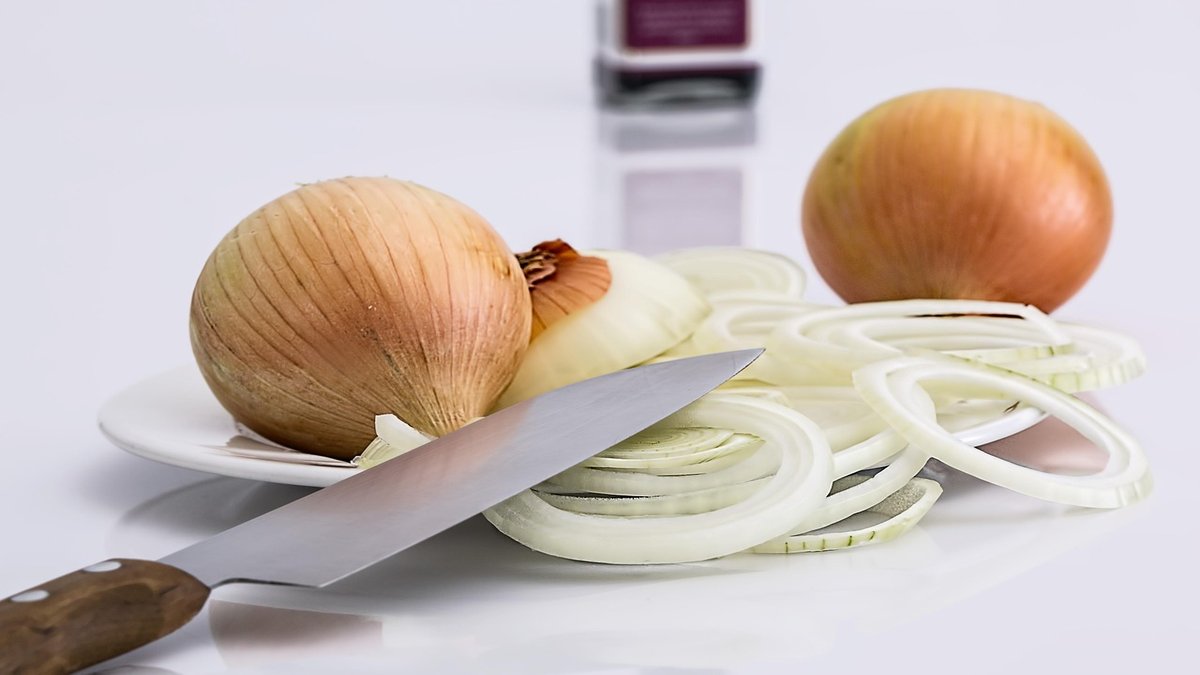
- The Onion Test: "When you cut an onion and your eyes sting, that's the time," states Tsukiji Aritsugu, a popular knife specialty shop in Tsukiji, when referring to the ideal sharpening moment (translated from Japanese) Tsukiji Aritsugu sharpening and care instructions. A sharp knife makes a clean cut through onion cells, minimizing the release of irritants. A dull knife crushes the cells, releasing more tear-inducing compounds.
- Sashimi Edges: For precision tasks like slicing sashimi, the appearance of the cut is a clear indicator. "When you cut sashimi and the edges aren't sharp, that's also the time to sharpen," notes Tsukiji Aritsugu (translated from Japanese) Tsukiji Aritsugu sharpening and care instructions. A truly sharp knife will produce perfectly smooth, clean-cut surfaces on fish, with distinct, crisp edges, rather than torn or ragged ones.
- The Thumbnail Test: A simple, tactile test can also reveal a dull edge. "When the blade of a dull knife is gently placed on your fingernail and slid, it just slides smoothly without catching," explains Sakai Ichimonji Mitsuhide Sakai Ichimonji Mitsuhide knife care guide. A sharp edge will "catch" or bite slightly into the nail, indicating its ability to grip and cut.
- General Difficulty in Cutting: If you find yourself needing to apply more force than usual to cut through ingredients, or if the knife slides off food surfaces rather than biting into them, it's a sure sign of a dull edge. Foods like tomatoes, which require a very fine edge to start the cut without crushing, are good indicators.
Recommended Sharpening Frequency
The frequency of sharpening largely depends on how often you use your knife and the types of ingredients you cut. However, there are general recommendations from experts:
- Monthly or Bi-monthly: "Depending on the frequency of use, it is recommended to sharpen once or twice a month," advises Tsukiji Aritsugu Tsukiji Aritsugu sharpening and care instructions. This regular maintenance helps prevent the edge from becoming excessively dull, making each sharpening session quicker and easier. Mitsuboshi Cutlery also suggests that "to maintain sharpness, sharpen once or twice a month" Mitsuboshi Cutlery's NAGOMI care guide.
- As Needed: While a monthly schedule is a good baseline, always listen to your knife. If you notice any of the dullness signs mentioned above before your scheduled sharpening, don't hesitate to sharpen it.
- Initial Maintenance: For a new knife, or one that has just been purchased, the first step before any use is to wash it. "When using for the first time, wash thoroughly with dish soap on a sponge and rinse well," instructs Mitsuboshi Cutlery Mitsuboshi Cutlery's NAGOMI care guide. This removes any manufacturing residues.
Why Knives Lose Their Edge
Knives lose their sharpness primarily due to two factors:
- Edge Abrasion and Rounding: Over time, the very fine tip of the blade wears down and becomes rounded. "The blade tip wears down and becomes rounded," explains Sakai Ichimonji Mitsuhide Sakai Ichimonji Mitsuhide knife care guide. This rounding prevents the blade from effectively severing food fibers, instead causing it to slide or crush.
- Contact with Cutting Boards: Although often overlooked, your cutting board plays a significant role in dulling your knife. "You may not be very aware of it, but when you cut food, you are also cutting the cutting board at the same time," notes Sakai Ichimonji Mitsuhide [Sakai Ichimonji Mitsuhide knife care guide](https://www.ichimonji.co.jp/pages/care?srsltid=AfmBOoq9VV2ahvqbWplCtpm00YUrRRhEfZHmCg19YzjCJA26AFFj2HHi]. While softer than the knife blade, the constant contact and micro-abrasions from cutting into the board gradually wear down and dull the edge. Using softer cutting board materials can help prolong the edge, but sharpening remains an essential part of maintenance.
Regular sharpening is not just about making a knife cut better; it's about maintaining a valuable tool and making the act of cooking safer and more enjoyable.
How Do You Sharpen a Japanese Knife at Home?
Sharpening a Japanese knife at home is a fundamental skill for any knife owner, allowing you to restore its keen edge and maintain optimal performance. While it may seem daunting at first, following a systematic approach with the right tools can make the process straightforward and rewarding. The core of home sharpening involves using a whetstone and maintaining a consistent angle.
Essential Sharpening Tools
Before you begin, gather the necessary tools:
- Whetstone: The most crucial tool is a whetstone (砥石, toishi). For general home maintenance, a medium-grit whetstone (中砥石, naka-toishi) with a grit rating of #800 to #1000 is highly recommended. "The recommended whetstone is a 'medium grit stone #1000'," states Tsukiji Aritsugu Tsukiji Aritsugu sharpening and care instructions. If your knife has significant chips or is very dull, you might start with a coarse-grit stone (#100-#200) before moving to medium, and then finish with a fine-grit stone (#3000-#5000) for a razor-sharp edge Tsukiji Aritsugu sharpening and care instructions.
- Whetstone Stand or Wet Cloth: A stable base for your whetstone is essential. A dedicated whetstone stand works best, but if you don't have one, "a wet rag is fine" to prevent the stone from slipping during sharpening [Tsukiji Aritsugu sharpening and care instructions](https://www.tsukiji-go.jp/blog/2021/07/23/103009?srsltid=AfmBOorUImfyJfjlHfJZcRIE1wT3xx0Z-Bn2xlpziE23wQtPmq2C-nPW].
- Towel: For drying the knife and wiping away slurry.
- Cleanser: To clean the knife after sharpening.
Preparing the Whetstone
Proper preparation of the whetstone is key to effective sharpening:
- Soak in Water: Whetstones are designed to be used wet. "Prepare the whetstone and soak it in water for 5 to 6 minutes to moisten it," instructs Tsukiji Aritsugu Tsukiji Aritsugu sharpening and care instructions. The stone should be fully saturated, with no more bubbles rising to the surface.
- Stabilize the Stone: Place the soaked whetstone on its stand or on a wet, non-slip cloth on a flat, stable surface.
Sharpening the Front Side (Omote)
For right-handed users, the sharpening process typically begins with the front side of the blade (the side facing away from you when holding the knife, or the convex side for single-bevel knives).
- Grip and Angle: Hold the knife firmly. "For right-handed people, first place the index finger of your right hand on the spine of the knife, your thumb on the chin of the knife, and grip the handle with the remaining three fingers," advises Tsukiji Aritsugu Tsukiji Aritsugu sharpening and care instructions. Use your left hand to press down on the blade with your index, middle, and ring fingers, applying pressure to the part you are sharpening.
- Maintain Angle: The angle between the knife and the whetstone is critical. "Keep the angle between the whetstone and the knife constant at about the thickness of one chopstick (about 15 degrees)," instructs Mitsuboshi Cutlery Mitsuboshi Cutlery's NAGOMI care guide. Tsukiji Aritsugu suggests "about 50 degrees" for the surface of Japanese-style single-bevel knives, clarifying that you should "sharpen with light pressure" [Tsukiji Aritsugu sharpening and care instructions](https://www.tsukiji-go.jp/blog/2021/07/23/103009?srsltid=AfmBOorUImfyJfjlHfJZcRIE1wT3xx0Z-Bn2xlpziE23wQtPmq2C-nPW]. For most double-bevel knives, 15 degrees is a good starting point. The goal is to keep this angle "constant" throughout the stroke.
- Sharpening Stroke: "Move the knife slowly back and forth on the whetstone," says Mitsuboshi Cutlery Mitsuboshi Cutlery's NAGOMI care guide. "Apply force when pushing and release force when pulling." Move your left hand's fingers along the blade from tip to heel, ensuring you sharpen the entire edge evenly. Continue until a "burr" (カエリ, kaeri) forms along the entire length of the blade on the opposite side. This burr is a tiny wire edge indicating that you have thinned the steel sufficiently. "Sharpen the entire blade until a burr appears on the edge," notes Tsukiji Aritsugu [Tsukiji Aritsugu sharpening and care instructions](https://www.tsukiji-go.jp/blog/2021/07/23/103009?srsltid=AfmBOorUImfyJfjlHfJZcRIE1wT3xx0Z-Bn2xlpziE23wQtPmq2C-nPW].
- Maintain Shinogi Line: For Japanese knives, "be careful not to break the width of the cutting edge and the shinogi line" (the distinct line separating the primary bevel from the blade face) [Tsukiji Aritsugu sharpening and care instructions](https://www.tsukiji-go.jp/blog/2021/07/23/103009?srsltid=AfmBOorUImfyJfjlHfJZcRIE1wT3xx0Z-Bn2xlpziE23wQtPmq2C-nPW].
Sharpening the Back Side (Ura)
Once the burr is established on the front side, it's time to remove it by sharpening the back side.
- Flat against the Stone: "When sharpening the back side, lay the knife flat against the whetstone and sharpen the edge without lifting the knife," instructs Tsukiji Aritsugu [Tsukiji Aritsugu sharpening and care instructions](https://www.tsukiji-go.jp/blog/2021/07/23/103009?srsltid=AfmBOorUImfyJfjlHfJZcRIE1wT3xx0Z-Bn2xlpziE23wQtPmq2C-nPW]. The goal here is to gently remove the burr, not to create a new bevel.
- Short Strokes: Make "2 to 3 passes" on the back side, moving from the tip to the heel [Tsukiji Aritsugu sharpening and care instructions](https://www.tsukiji-go.jp/blog/2021/07/23/103009?srsltid=AfmBOorUImfyJfjlHfJZcRIE1wT3xx0Z-Bn2xlpziE23wQtPmq2C-nPW]. The pressure should be very light.
- Repeat and Refine: Repeat the process of sharpening the front and back sides a few times, gradually reducing pressure, until the burr is completely gone and the edge feels smooth and sharp. "Repeat sharpening both the front and back sides several times to finish," says Tsukiji Aritsugu [Tsukiji Aritsugu sharpening and care instructions](https://www.tsukiji-go.jp/blog/2021/07/23/103009?srsltid=AfmBOorUImfyJfjlHfJZcRIE1wT3xx0Z-Bn2xlpziE23wQtPmq2C-nPW].
- Maintain Slurry: The muddy liquid that forms on the whetstone during sharpening, known as slurry (研ぎ汁, togijiru), is essential. "The muddy liquid that comes out during sharpening is necessary sharpening juice for sharpening the blade, so continue sharpening without washing it off," advises Mitsuboshi Cutlery Mitsuboshi Cutlery's NAGOMI care guide. If the stone dries out, "drip water onto it" [Tsukiji Aritsugu sharpening and care instructions](https://www.tsukiji-go.jp/blog/2021/07/23/103009?srsltid=AfmBOorUImfyJfjlHfJZcRIE1wT3xx0Z-Bn2xlpziE23wQtPmq2C-nPW].
Post-Sharpening Cleaning and Storage
After sharpening, proper cleaning is vital:
- Wash with Cleanser: "After sharpening, wash the knife thoroughly with cleanser to remove any attached grinding juice," recommends Tsukiji Aritsugu [Tsukiji Aritsugu sharpening and care instructions](https://www.tsukiji-go.jp/blog/2021/07/23/103009?srsltid=AfmBOorUImfyJfjlHfJZcRIE1wT3xx0Z-Bn2xlpziE23wQtPmq2C-nPW]. This removes metal particles and abrasive residue that could cause rust or contaminate food.
- Dry Thoroughly: "Wipe thoroughly with a dry towel, including the handle," ensures no moisture remains [Tsukiji Aritsugu sharpening and care instructions](https://www.tsukiji-go.jp/blog/2021/07/23/103009?srsltid=AfmBOorUImfyJfjlHfJZcRIE1wT3xx0Z-Bn2xlpziE23wQtPmq2C-nPW].
- Store Properly: Store the knife in a low-humidity location.
By mastering these steps, you can consistently achieve a sharp edge on your Japanese knives, making daily cooking a more efficient and enjoyable experience.
What Are the Risks of Using a Dishwasher for Japanese Knives?
Using a dishwasher for Japanese knives, or indeed almost any high-quality knife, carries significant risks that can lead to irreparable damage to both the blade and the handle. Experts strongly advise against it, citing multiple reasons related to chemical corrosion, physical damage, and material degradation. Hand washing is the only recommended method for cleaning these precision tools.
1. Risk of Rust Due to Harsh Detergents
Dishwashers utilize powerful detergents that are far more aggressive than the neutral dish soaps recommended for hand washing. These detergents are often highly alkaline or acidic, designed to break down tough food residues and grease effectively. However, this aggressive chemistry is detrimental to knife steel.
- Corrosion on All Steels: "Unlike the neutral dish soap used for hand washing, strong alkaline or acidic detergents are used," explains Sakai Ichimonji Mitsuhide Sakai Ichimonji Mitsuhide knife care guide. Because of this, "rust can appear not only on steel knives, which are prone to rust, but also on stainless steel knives, which are resistant to rust." Even the protective passive layer on stainless steel can be compromised by these harsh chemicals, leading to rust, including pitting corrosion.
- Accelerated Oxidation: The combination of strong chemicals and high-temperature water creates an environment where oxidation and rust formation are significantly accelerated, far beyond what would occur with simple hand washing.
2. Damage to Wooden Handles from High Temperatures and Moisture
Many Japanese knives, especially traditional wa-bōchō (Japanese-style knives), feature natural wood handles or handles made from compressed plywood. These organic materials are highly susceptible to damage from the conditions inside a dishwasher.
- Rapid Temperature Changes: Dishwashers operate with "very hot water for washing and drying," which subjects the wooden handles to "rapid temperature changes," notes Sakai Ichimonji Mitsuhide Sakai Ichimonji Mitsuhide knife care guide. Wood, being a natural material, expands and contracts with heat and moisture. Such rapid fluctuations can cause the wood to "warp, crack, or split," weakening the handle's structure and potentially loosening the blade's tang.
- Detergent Degradation: The powerful detergents also contribute to handle degradation. They can strip away natural oils, finishes, and protective coatings from the wood, leading to drying, discoloration, and overall deterioration. "Strong cleaning agents also cause the handle to deteriorate," warns Sakai Ichimonji Mitsuhide [Sakai Ichimonji Mitsuhide knife care guide](https://www.ichimonji.co.jp/pages/care?srsltid=AfmBOoq9VV2ahvqbWplCtpm00YUrRRhEfZHmCg19YzjCJA26AFFj2HHi].
- Moisture Ingress: Prolonged exposure to hot, circulating water can also allow moisture to penetrate deep into the handle, leading to internal rust on the tang (nakago) and eventual rot or loosening of the handle.
3. Risk of Chipping or Breaking the Blade
The confined space and vigorous washing action within a dishwasher pose a physical threat to the knife's delicate edge.
- Collision with Other Utensils: "There is a risk that the blade may chip if it collides with other dishes or cooking utensils being washed at the same time in the dishwasher," states Sakai Ichimonji Mitsuhide Sakai Ichimonji Mitsuhide knife care guide. Japanese knives, especially those with thin, hard blades, are particularly vulnerable to chipping from impacts.
- Edge Damage: Even if significant chips don't occur, the constant jostling and rubbing against other items can dull the blade's finely honed edge, requiring more frequent sharpening or even professional repair.
- Blade Deformation: Mitsuboshi Cutlery explicitly states that "dishwasher use is absolutely not permitted, as it may cause damage or deterioration" Mitsuboshi Cutlery's NAGOMI care guide. They also advise against "twisting left and right or using with impact" as this can cause the "blade to chip, break, or bend" Mitsuboshi Cutlery's NAGOMI care guide. While this specifically refers to manual use, the unpredictable forces within a dishwasher can exert similar damaging stresses.
In summary, for the sake of your Japanese knives' longevity, sharpness, and aesthetic appeal, always opt for immediate hand washing and thorough drying. The convenience of a dishwasher simply isn't worth the inevitable damage it will inflict on these specialized tools.
How Should You Store Japanese Knives for Long Periods?
Storing Japanese knives properly for long periods is essential to prevent rust, protect the delicate edge, and maintain the overall condition of the knife when it's not in regular use. This process involves more than just putting it away; it requires specific steps to create a protective barrier against moisture and environmental degradation.
Preparing the Knife for Long-Term Storage
The preparation steps are crucial to ensure the knife is in optimal condition before being put away for an extended duration.
- Thorough Cleaning: Begin by cleaning the knife meticulously. Wash the blade with neutral dish soap and a soft sponge, ensuring all food residues and oils are completely removed.
- Complete Drying: After washing, dry the knife thoroughly. For steel (hagane) knives, the technique of pouring hot water over the blade to evaporate moisture, followed by wiping with a cloth or tissue, is highly effective. "Wipe off any remaining moisture with a tissue," recommends Jikko [Jikko knife care guide](https://www.jikko.jp/c/knowledge/detail/tsukaikata/teire]. Ensure both the blade and the handle are bone dry, as any lingering moisture can initiate rust during storage.
Applying a Protective Oil Layer
Once the knife is clean and dry, applying a protective oil is the next critical step. This oil creates a barrier that prevents moisture and oxygen from reaching the metal surface, which are the primary causes of rust.
- Blade Oil Recommendation: "If you do not use it for a long period, soak a cloth in blade oil (camellia oil is recommended) and wipe the entire blade with oil," advises Sakai Ichimonji Mitsuhide Sakai Ichimonji Mitsuhide knife care guide. Camellia oil (椿油, tsubaki abura) is a traditional and highly recommended choice for knife care in Japan due to its stability and protective qualities.
- Salad Oil as an Alternative (with caveats): While dedicated blade oils are best, "salad oil (サラダ油, sarada abura) can also be used" as a substitute [Jikko knife care guide](https://www.jikko.jp/c/knowledge/detail/tsukaikata/teire]. However, Sakai Ichimonji Mitsuhide cautions that "salad oil dries faster and oxidizes more easily than blade oil, so it is not suitable for long-term storage care" Sakai Ichimonji Mitsuhide knife care guide. If using salad oil, ensure it's a very thin layer, and consider checking the knife periodically for any signs of oxidation or stickiness.
- Application Method: Apply a small amount of oil to a clean cloth or tissue and gently wipe it over the entire blade surface. The goal is a very thin, even film. "If there is too much oil, it can cause rust, so spread it over the entire blade as if you are wiping it off," instructs Jikko [Jikko knife care guide](https://www.jikko.jp/c/knowledge/detail/tsukaikata/teire].
The Newspaper Wrap: A Traditional and Effective Method
After oiling, wrapping the knife in newspaper is a time-honored and effective method for long-term storage. This technique leverages the properties of newspaper to provide additional protection.
- Moisture Absorption: "Newspaper absorbs moisture," explains Jikko [Jikko knife care guide](https://www.jikko.jp/c/knowledge/detail/tsukaikata/teire]. This helps to keep the knife dry by wicking away any residual or ambient humidity, creating a micro-environment less conducive to rust.
- Rust Prevention from Ink: The ink used in newspaper contains oils that can act as a secondary rust preventative. "The oil in the ink acts as a rust preventative," according to Jikko [Jikko knife care guide](https://www.jikko.jp/c/knowledge/detail/tsukaikata/teire]. This dual action of moisture absorption and oil barrier makes newspaper an excellent, readily available material for knife storage.
- Wrapping Procedure: Wrap the oiled knife securely in several layers of newspaper. Ensure the entire blade and handle are covered.
Choosing the Right Storage Location
The final piece of long-term storage is selecting an appropriate environment.
- Low Humidity: Always store the wrapped knife in a "low-humidity location" (湿気の少ない場所, shikke no sukunai basho). This is critical because humidity in the air can still penetrate protective layers over extended periods. "Store it in a place with low humidity," advises Sakai Ichimonji Mitsuhide [Sakai Ichimonji Mitsuhide knife care guide](https://www.ichimonji.co.jp/pages/care?srsltid=AfmBOoq9VV2ahvqbWplCtpm00YUrRRhEfZHmCg19YzjCJA26AFFj2HHi].
- Avoid Knife Blocks for Long-Term: While knife blocks are convenient for daily use, "if you store it in a knife block for a long period, it often rusts without you knowing it," warns Jikko [Jikko knife care guide](https://www.jikko.jp/c/knowledge/detail/tsukaikata/teire]. This is because knife blocks can trap moisture and limit air circulation around the blade, creating a humid environment.
- Safe and Secure: Store the knife in a place where it will not be disturbed or exposed to physical damage.
By following these detailed steps—thorough cleaning, oil application, newspaper wrapping, and careful placement in a low-humidity environment—you can ensure your Japanese knives remain protected and in pristine condition, ready for use even after extended periods of storage.
How Can You Remove Rust from a Japanese Knife?
Even with the best preventative care, rust can sometimes appear on a Japanese knife, especially on traditional steel (hagane) blades. Fortunately, rust is often treatable, and several methods can effectively remove it, restoring the knife's appearance and functionality. It's important to act promptly when rust is noticed to prevent it from deepening or spreading.
Using a Whetstone for Rust Removal
For rust that is more embedded or covers a larger area, sharpening with a whetstone is an effective method as it removes a thin layer of metal, taking the rust with it.
- Integrated with Sharpening: If rust is present, "sharpening with a whetstone is recommended," states Jikko [Jikko knife care guide](https://www.jikko.jp/c/knowledge/detail/tsukaikata/teire]. This method integrates rust removal with the regular sharpening process, making it efficient for maintaining the blade's edge while addressing corrosion.
- Appropriate Grit: Depending on the severity of the rust, you might start with a coarser grit stone (e.g., #100-#200 for significant rust or chips) to remove the bulk of the corrosion, then progress to a medium-grit stone (#800-#1000) for refinement, and finally a fine-grit stone (#3000-#5000) for polishing. The abrasive action of the stone grinds away the rusted surface.
Cleansers and Abrasive Pastes
For lighter or surface rust, common household cleaning agents can be effective.
- Powdered Cleanser: "If it doesn't come off by gently scrubbing with a sponge, you can sometimes remove it by placing powdered cleanser on the rusted area and gently rubbing it," suggests Jikko [Jikko knife care guide](https://www.jikko.jp/c/knowledge/detail/tsukaikata/teire]. The mild abrasive particles in the cleanser help to scrub away the rust without being overly aggressive. Always use a soft sponge to apply, avoiding harsh scrubbers that could scratch the blade.
- Gentle Rubbing: The key is gentle, consistent rubbing. Avoid excessive force, which could damage the blade's finish or geometry.
Rust Removal Erasers
Specialized tools designed for rust removal offer a convenient and often very effective solution, particularly for broader areas of rust.
- Miracle Clean / Sabi-Tor: "Our shop uses 'Miracle Clean' specifically for rust removal," says Sakai Ichimonji Mitsuhide [Sakai Ichimonji Mitsuhide knife care guide](https://www.ichimonji.co.jp/pages/care?srsltid=AfmBOoq9VV2ahvqbWplCtpm00YUrRRhEfZHmCg19YzjCJA26AFFj2HHi]. These products are typically "eraser-like tools containing abrasives." Jikko also mentions "Sabi-Tor," which is "like a rust-removing eraser," as a viable option [Jikko knife care guide](https://www.jikko.jp/c/knowledge/detail/tsukaikata/teire].
- Application: To use these erasers, you rub them directly onto the rusted areas. They are particularly effective for "removing widespread rust" [Sakai Ichimonji Mitsuhide knife care guide](https://www.ichimonji.co.jp/pages/care?srsltid=AfmBOoq9VV2ahvqbWplCtpm00YUrRRhEfZHmCg19YzjCJA26AFFj2HHi]. For best results, "polish along the grain of the knife's blade," as this helps to blend the polished area with the existing finish of the blade [Sakai Ichimonji Mitsuhide knife care guide](https://www.ichimonji.co.jp/pages/care?srsltid=AfmBOoq9VV2ahvqbWplCtpm00YUrRRhEfZHmCg19YzjCJA26AFFj2HHi].
- Other Abrasives: In addition to specialized erasers, "waterproof sandpaper and cleanser can also be used to remove rust" [Sakai Ichimonji Mitsuhide knife care guide](https://www.ichimonji.co.jp/pages/care?srsltid=AfmBOoq9VV2ahvqbWplCtpm00YUrRRhEfZHmCg19YzjCJA26AFFj2HHi]. These offer similar abrasive action to remove rust.
Safety and Post-Removal Care
After removing rust, proper cleaning and protection are still essential:
- Clean Thoroughly: Always wash the knife with neutral dish soap and water after rust removal to eliminate any abrasive particles or rust residue.
- Dry and Oil: Dry the knife completely and apply a thin layer of blade oil, especially if it's a steel knife, to protect the newly exposed metal surface from immediate re-rusting.
- Rust is Not Harmful: It's important to note that "rust is not a component harmful to the body," assures Jikko. Therefore, "even if a knife has rust, it is safe to use it for cooking" [Jikko knife care guide](https://www.jikko.jp/c/knowledge/detail/tsukaikata/teire]. While aesthetically undesirable and potentially affecting food flavor, small amounts of rust are not a health hazard. However, it's always best to remove it to preserve the knife's condition and performance.
By employing these methods, you can effectively tackle rust on your Japanese knives, ensuring they remain beautiful and functional tools in your kitchen.
Frequently Asked Questions
How often should I sharpen my Japanese knife?
You should typically sharpen your Japanese knife 1-2 times per month, depending on how frequently you use it. Experts like Tsukiji Aritsugu recommend this frequency to maintain optimal sharpness Tsukiji Aritsugu sharpening and care instructions. Signs that your knife needs sharpening include when cutting onions makes your eyes sting, or if the knife slides on your thumbnail instead of catching.
Can I put my Japanese knife in the dishwasher?
No, you should never put your Japanese knife in the dishwasher. Dishwashers use strong alkaline or acidic detergents and high temperatures that can cause rust on both steel and stainless steel blades Sakai Ichimonji Mitsuhide knife care guide. The rapid temperature changes and strong detergents can also damage wooden handles, and the vigorous washing action risks chipping the blade if it collides with other dishes.
What kind of oil should I use for long-term knife storage?
For long-term knife storage, camellia oil (tsubaki abura) is highly recommended due to its stability and protective qualities. If camellia oil is not available, a very thin layer of salad oil can be used as an alternative, but be aware that salad oil dries and oxidizes faster Sakai Ichimonji Mitsuhide knife care guide. After applying oil, wrap the knife in newspaper to absorb moisture and benefit from the ink's rust-preventative properties.
Is it safe to use a knife with some rust on it?
Yes, it is generally safe to use a knife with some rust on it. Jikko assures that "rust is not a component harmful to the body," so a knife with rust can still be used for cooking Jikko knife care guide. However, it is always recommended to remove rust promptly to prevent further damage to the blade and maintain the knife's performance and appearance.
What is 'pitting corrosion' in stainless steel knives?
Pitting corrosion is a particularly troublesome type of rust that affects stainless steel knives. It occurs when the protective film on the stainless steel is locally damaged, allowing corrosion to penetrate and pass through the metal Sakai Ichimonji Mitsuhide knife care guide. This type of rust is often caused by leaving salt or acidic foods on the blade and is difficult to repair once it has penetrated the metal.
Sources
- https://nagomi.mitsuboshi-cutlery.com/care/
- https://www.ichimonji.co.jp/pages/care?srsltid=AfmBOoq9VV2ahvqbWplCtpm00YUrRRhEfZHmCg19YzjCJA26AFFj2HHi
- https://www.tsukiji-go.jp/blog/2021/07/23/103009?srsltid=AfmBOorUImfyJfjlHfJZcRIE1wT3xx0Z-Bn2xlpziE23wQtPmq2C-nPW
- https://www.jikko.jp/c/knowledge/detail/tsukaikata/teire
- https://www.jikko.jp/news/sharpen/sabiboushi
- https://hocho.ichimonji.co.jp/maintenance/care-and-storage/anti-rust/
- https://fukubekaji.jp/contents/keep-sharpness-with-kitchen-knife-maintenance/
- https://detail.chiebukuro.yahoo.co.jp/qa/question_detail/q11115275686
Related Reading
- How to Remove Rust From a Japanese Knife
- Japanese Knife Care: Storage, Cleaning, and Rust Prevention
- Best Magnetic Knife Strips for Japanese Knives
- Why You Should Never Put Japanese Knives in the Dishwasher
- Japanese Knife Care: Rust Prevention, Storage, and Maintenance from Japanese Experts
— The Blade & Steel Team