Top 10 Japanese Knife Accessories Compared: Sayas, Magnetic Bars, Honing Rods (2026)
High-carbon Japanese steel rewards careful cooks and punishes lazy ones. A shirogami gyuto left wet overnight blooms orange rust by breakfast. The kit below isn't optional luxury — it keeps a $400 knife from turning into a $40 knife.
Quick Answer
- A ho-wood saya is the single best $20 you spend on a carbon knife
- Hinoki boards are gentle on edges; rubber boards survive heavier use
- Camellia oil plus a sarashi towel kills 90% of rust problems
- An Atoma 140 keeps your stones flat — without it, your bevels lie
High-carbon Japanese steel rewards careful cooks and punishes lazy ones. A shirogami gyuto left wet overnight blooms orange rust by breakfast. The kit below isn't optional luxury — it keeps a $400 knife from turning into a $40 knife.
| Rank | Accessory | Type | Price | Verdict |
|---|---|---|---|---|
| 1 | Ho-Wood Saya | Wooden sheath | $20-$60 | First buy for any carbon knife |
| 2 | Hinoki Cutting Board | Japanese cypress board | $80-$300 | Edge-friendly daily driver |
| 3 | Magnetic Knife Bar | Wall-mount storage | $40-$120 | Best space-saving display |
| 4 | Knife Roll Bag | Transport case | $60-$300 | Required for traveling cooks |
| 5 | Camellia Oil | Tsubaki rust inhibitor | $10-$20 | Mandatory for shirogami/aogami |
| 6 | Rust Eraser | Sabitori block | $8-$15 | Cheapest fix for surface rust |
| 7 | Sarashi Cotton Towel | Bleached cotton cloth | $10-$25 | Best knife wipe, full stop |
| 8 | Ceramic Honing Rod | 1200-grit alumina rod | $50-$120 | Between-sharpening edge tune |
| 9 | Atoma 140 Lapping Plate | Diamond flattener | $80-$120 | Non-negotiable for stone users |
| 10 | Naniwa Diamond Stone | Truing flat stone | $200-$400 | Heavy repair and reprofile |
How We Ranked These Accessories
Rank reflects how often the gear gets used, not what it costs. A $400 diamond stone sits in the drawer most weeks. A $15 saya rides the knife daily.
Korin's knife care guide (2026) and Bernal Cutlery's maintenance primer (2026) shaped the order. Japanese Knife Imports owner Jon Broida argues that storage and board surface beat sharpening frequency. We agree.
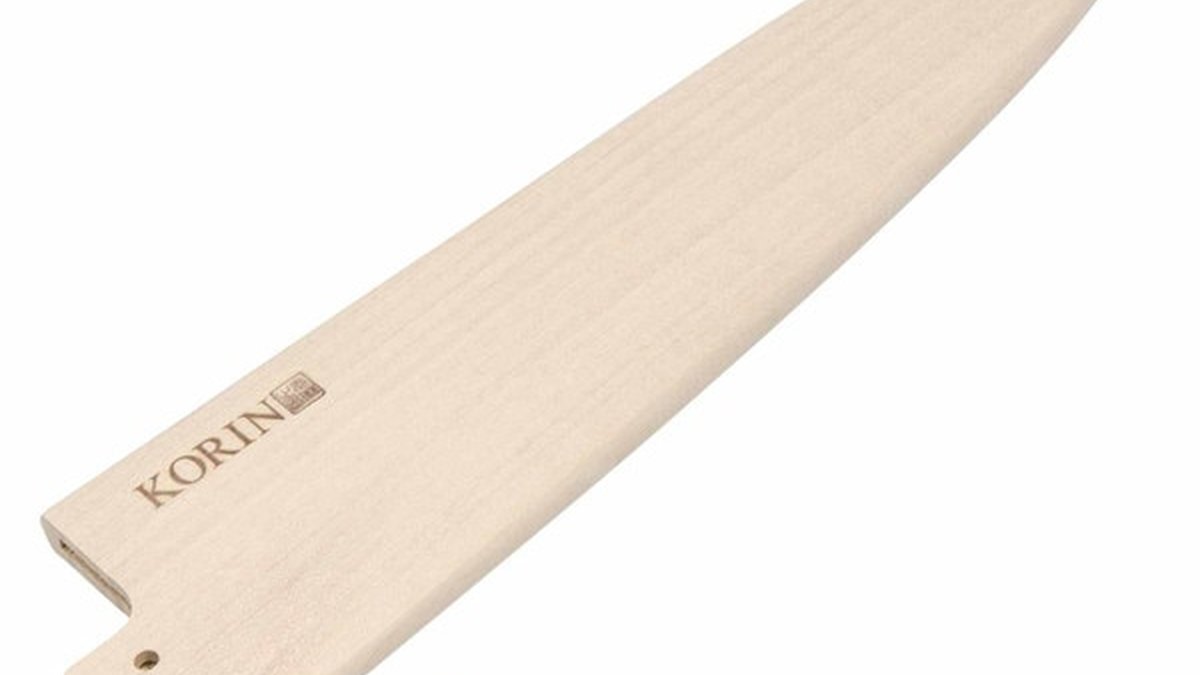
1. Wooden Saya (Ho-Wood Sheath) — Single Best First Accessory (Verdict: Buy one for every carbon knife)
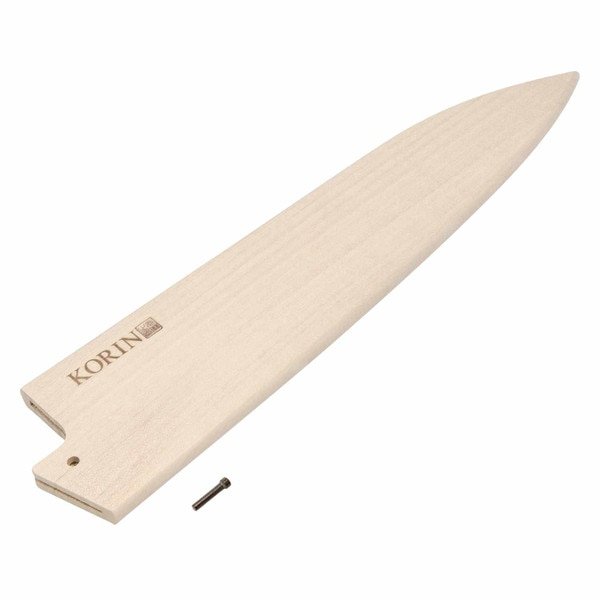
Material: Ho-no-ki (Japanese magnolia), poplar, or kiri Price: $20-$60 depending on knife size Best for: Carbon knives stored in drawers or rolls
Magnolia is soft, resin-free, and moisture-balanced. Resinous wood like cedar or pine leaches acids that corrode high-carbon steel. Korin's magnolia saya line (2026) covers 100mm paring to 300mm yanagiba, with a wooden pin to lock the blade.
A saya does three things at once. It shields the edge from drawer chatter, keeps the spine from snagging fingers, and slows rust by letting the blade breathe instead of trapping moisture. Yoshihiro's saya care notes (2026) say to store the knife dry, with the saya off if the blade is wet.
The cheap mistake is buying a generic sheath. Get one fitted to your blade. Verdict: best $20-$60 you'll spend on a Japanese knife.
2. Hinoki Cutting Board — Japanese Cypress That Won't Chew Your Edge (Verdict: Edge-friendly daily driver)
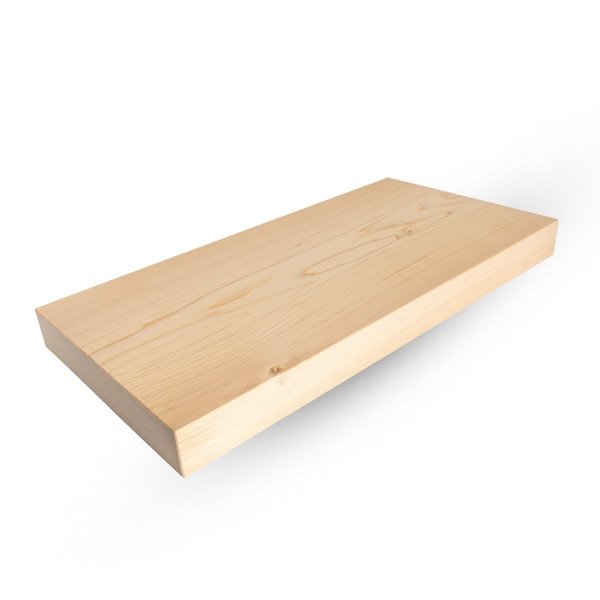
Material: Kiso hinoki (Japanese cypress) Price: $80-$300 by size Best for: Daily prep with Japanese knives
Hinoki is softer than maple or walnut, which is why it works under a thin Japanese edge. The board absorbs blade impact instead of bouncing it back, preventing the micro-chipping that wrecks shirogami at high HRC. Korin's Kiso hinoki board (2026) is the standard reference.
The bonus is hinoki's antibacterial chemistry — the wood produces phytoncides that slow bacterial growth. Shun's hinoki care page (2026) explains the daily routine: rinse, scrape with the back of a knife, prop on edge to air-dry. Never soak. Never dishwasher.
Downside? Hinoki is needy. It cups in direct sun, and it stains. Low-maintenance cooks go to pro rubber boards like Hi-Soft. Verdict: hinoki is the daily driver if you'll respect it.
3. Magnetic Knife Bar — Wall Storage That Shows Off the Collection (Verdict: Best space-saving display)
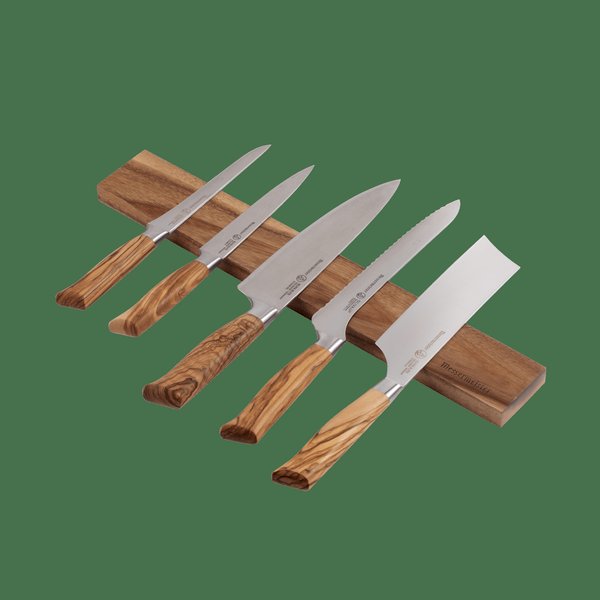
Material: Walnut, acacia, or stainless steel Price: $40-$120 for an 18-21" bar Best for: Open kitchens and collectors
A magnetic bar gets blades off the counter and out of drawers where edges bang up. Chubo Knives' walnut rack (2026), built in Hiroshima, holds seven or eight knives. Forge to Table's 21-inch acacia bar (2026) fits five to ten.
Two warnings. First, always place the spine on the magnet, then roll the blade down. Slapping an edge sideways chips it. Second, magnetic bars in humid kitchens speed up rust on carbon steel — drafts condense moisture on exposed blades overnight.
The stainless option from Wüsthof's 18-inch holder (2026) is restaurant-grade but visually loud. Wood bars look better at home. Verdict: best display option if you handle the blade right.
4. Knife Roll Bag — Required Travel Kit (Verdict: Mandatory for any traveling cook)
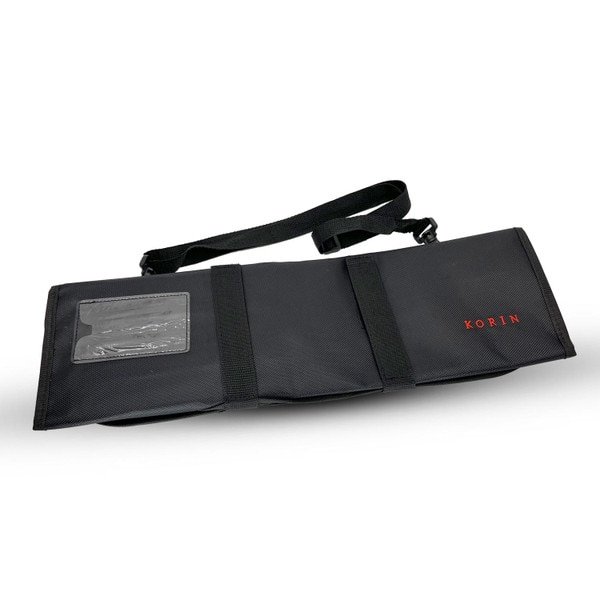
Material: Canvas, recycled fabric, or leather Price: $60 (Boldric) to $300+ (Messermeister leather) Best for: Stage cooks and traveling chefs
If you move knives between two kitchens, a roll bag is non-optional. Messermeister's Preservation 8-pocket roll (2026) is the workhorse — recycled woven fabric, YKK zippers, individual pockets that prevent edge-on-edge contact. Their 34-pocket backpack (2026) fits 18-inch blades.
Boldric's leather rolls weave a fabric strip between knives. Epicurean Edge sells the Boldric line (2026) starting around $80. Boldric runs lighter, but leather scuffs faster than canvas.
Avoid magnetic-pocket rolls — they corrode high-carbon edges if your sheaths aren't dry. Verdict: get an 8-pocket fabric roll first.
5. Camellia Oil (Tsubaki) — The Rust Insurance Policy (Verdict: Mandatory for shirogami and aogami owners)
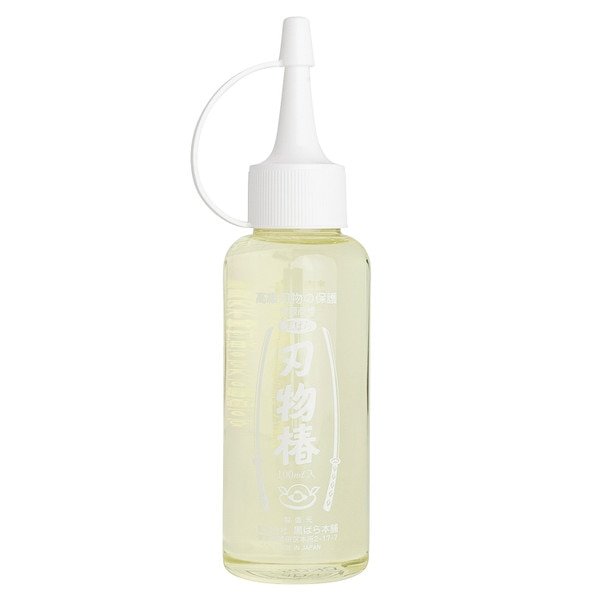
Type: Cold-pressed tsubaki (Camellia oleifera) seed oil Price: $10-$20 per 100ml bottle Best for: Any uncladded carbon steel blade
Tsubaki oil is tasteless, odorless, non-drying, and food-safe — which is why Japanese smiths have used it on swords and kitchen knives for centuries. Korin's tsubaki oil dispenser (2026) is the standard reference. A few drops on a cloth, wiped along the blade after every wash, prevents the orange patina that blooms on bare carbon overnight.
Knife Pivot Lube's carbon-steel oil guide (2026) explains the chemistry: tsubaki displaces moisture and forms an oxygen barrier, blocking the iron-oxide reaction that creates rust. Mineral oil works but feels slick on food. Olive oil oxidizes and goes rancid. Never use it.
Apply lightly. A heavy coat picks up dust and turns gummy. Verdict: $15 of insurance for every $400 knife.
6. Rust Eraser (Sabitori) — Cheapest Fix for Surface Rust (Verdict: Buy before you need it)
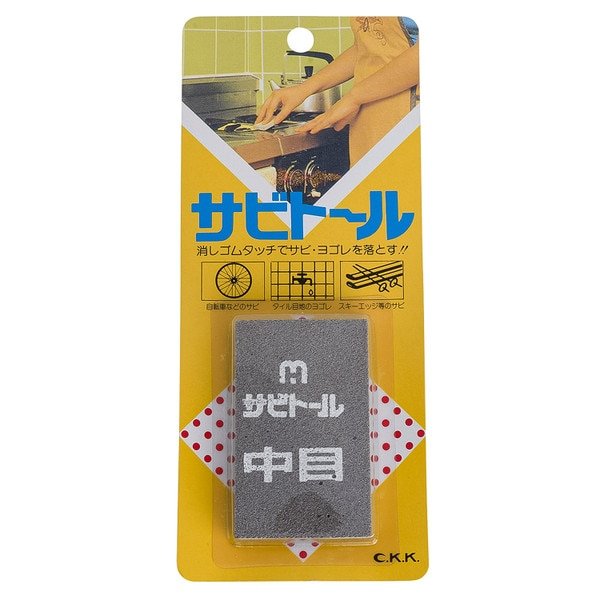
Material: Rubber matrix with fine embedded grit Price: $8-$15 per block Best for: Removing rust spots and oxidation
Despite the oil routine, carbon steel will rust if humidity wins. The sabitori is a rubber eraser with embedded grit that lifts surface rust without grinding down meaningful steel. Korin's sabitoru rust eraser (2026) comes in coarse, medium, and fine — most home cooks need only medium.
Technique matters. Wet the eraser, find the grain direction on the blade face, and rub along the grain in light strokes. Musashi Hamono's sabitori guide (2026) warns against scrubbing across the grain. Cross-grain strokes create micro-scratches that trap moisture and seed new rust.
Rinse, dry, re-oil with tsubaki. Verdict: keep one in the drawer before you spot rust.
7. Sarashi Cotton Towel — Best Knife Wipe There Is (Verdict: Replaces paper towels for life)
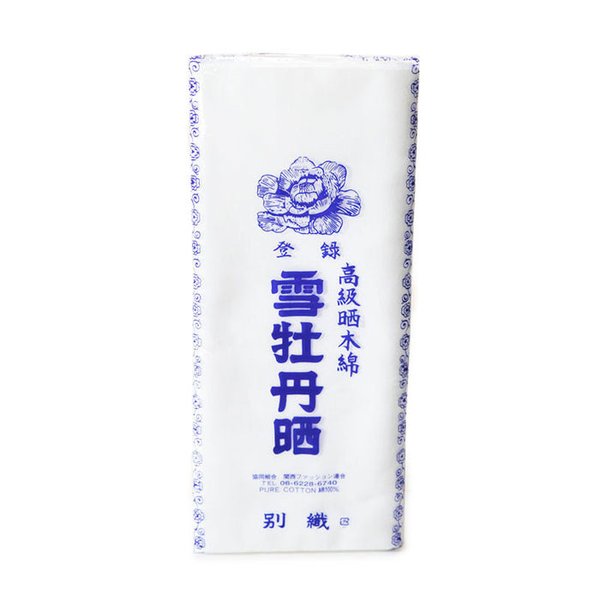
Material: 100% bleached tightly-woven cotton Price: $10-$25 per 12.8" x 330" roll Best for: Wiping blades and draining dashi
Sushi chefs keep a damp sarashi on the corner of the cutting board for a reason — it wipes the blade in one motion, dries instantly, and never leaves lint. MTC Kitchen's sarashi cotton roll (2026) yields about 100 wipes per cut piece, machine washable, lasts years.
The traditional use is broader. Yoshida Sarashi's kitchen towel reference (2026) shows how Japanese cooks use the same cotton for straining dashi, lining sushi mats, and wrapping fish. The fabric breathes faster than terry cloth.
Cut a length, hem the edges, dampen it, keep it within arm's reach. Verdict: cheapest upgrade in this list.
8. Ceramic Honing Rod — Between-Sharpening Edge Tune (Verdict: Idahone Fine is the value pick)
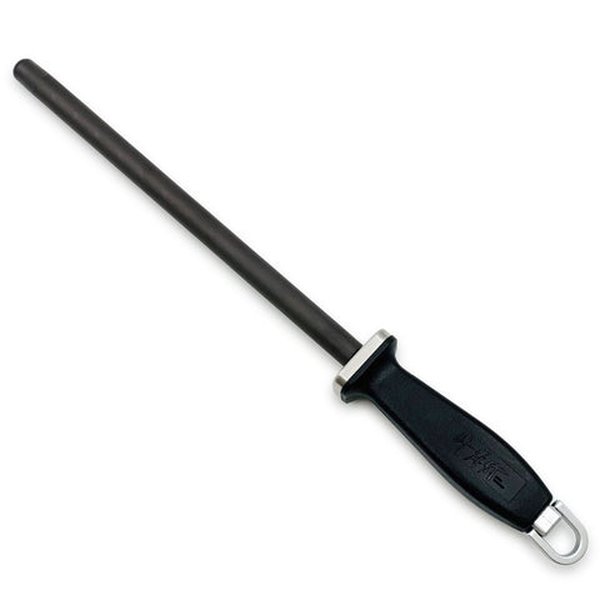
Material: Alumina ceramic, typically 1200 grit Price: $50 (Idahone Fine 12") to $120 (Mac Black) Best for: Realigning the edge between full sharpenings
Steel rods are too aggressive for thin Japanese edges — they bend the steel instead of polishing it. Ceramic rods at 1200 grit realign edge geometry without removing meaningful metal. Chef Knives To Go's Idahone Fine 12" listing (2026) is the value leader at half the cost of premium rods.
The Mac Black Ceramic Rod from Korin's Mac honing rod page (2026) uses harder ceramic with two grooved and two smooth #2000 faces. Pros prefer the Mac. Home cooks rarely notice the difference.
Use five strokes per side, light pressure, 15-degree angle, every two or three sessions. Kitchen Knife Forums veterans debate technique (2026), but the consensus is light passes win. Verdict: Idahone Fine 12" at home, Mac Black on the line.
9. Atoma 140 Lapping Plate — Non-Negotiable for Stone Sharpeners (Verdict: Without this, your stones lie to you)
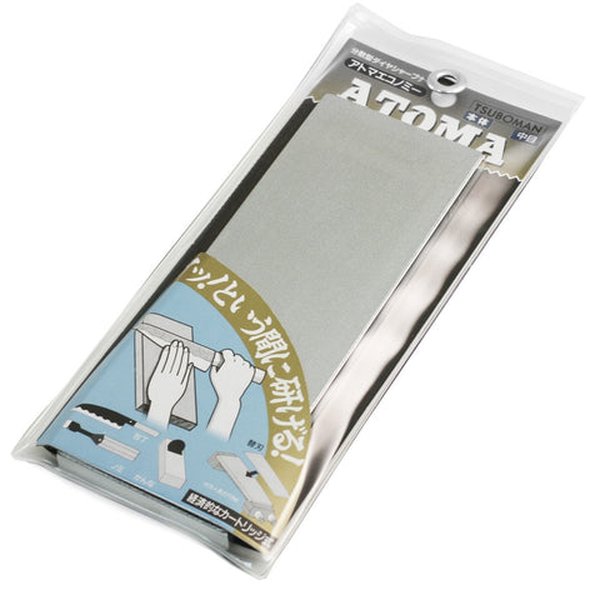
Material: Diamond-coated steel plate, 140 grit, 210 x 75mm Price: $80 (no handle) to $120 (with handle) Best for: Flattening sharpening stones, edge repair, reprofiling
Every whetstone develops a hollow within ten uses. Sharpen on a dished stone and the bevel angle changes every stroke. The Atoma 140 from Zahocho's diamond lapping plate page (2026) flattens stones in under a minute and stays flat forever.
The plate uses uniform diamond clusters with channels that let slurry flow off instead of clogging. MTC Kitchen's Atoma 140 listing (2026) covers the basic version. Cutlery and More's Atoma plate review (2026) confirms it handles stones from 140 to 2000 grit.
The bonus use is edge repair — the 140 grit removes chips and reprofiles thick factory bevels. Verdict: non-negotiable if you own more than one stone.
10. Naniwa Diamond Stone — Heavy Repair and Reprofile (Verdict: Specialist tool for super steels)
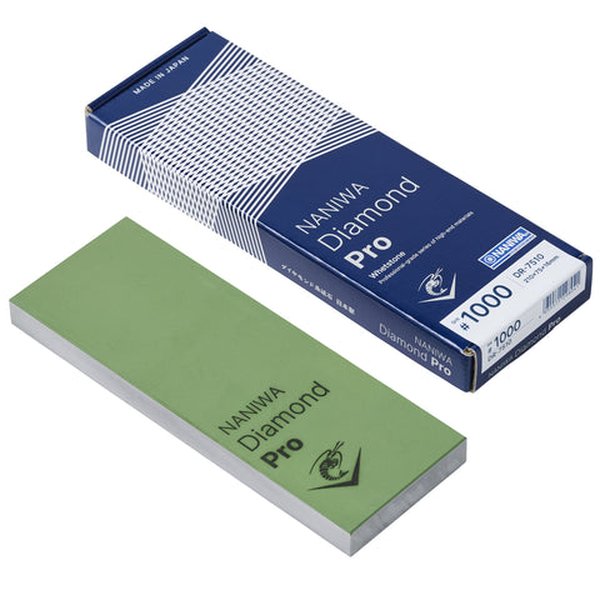
Material: Sintered diamond on resin matrix, typically 400 or 600 grit Price: $200-$400 with included dressing stone Best for: Reprofiling, fixing chips on super-hard steels, single-bevel uraoshi work
Naniwa's diamond stones aren't a replacement for waterstones — they're a complement. Knifewear's Naniwa Diamond Pro 400 (2026) is splash-and-go, stays flat almost indefinitely, and cuts SG2, ZDP-189, and other powder steels that grind down standard whetstones fast.
Each stone ships with a dressing stone, per Sharpening Supplies' Naniwa Diamond Pro page (2026), which keeps the surface cutting fast. Globalkitchen Japan's Naniwa diamond combo (2026) sells the stone and dresser as a kit.
Not a beginner tool. Most home cooks never need it. But if you own a Takamura R2 or a Shibata Koutetsu, the Naniwa Diamond is the only stone that won't dish in three sessions. Verdict: specialist tool, buy after you've worn through your first waterstones.
Frequently Asked Questions
Q: Do I need camellia oil if my knife is stainless-clad? A: Not for the cladding. But many stainless-clad Japanese knives have a carbon core exposed at the edge. Check the spec sheet — if the cutting edge is carbon, oil it.
Q: Hinoki board or rubber board for my knife? A: Both are gentler than maple or walnut. Hinoki looks and smells better and resists bacteria, but it warps and stains. Hi-Soft rubber boards survive heavy use but look industrial. Pros use rubber at work and hinoki at home.
Q: How often should I oil a carbon knife? A: After every wash if you live somewhere humid. Once a week if you live somewhere dry. If you see flash rust overnight, oil more often. If it stays bright for a week, you're fine.
Q: Can I use a steel honing rod on a Japanese knife? A: No. Steel rods suit German knives at 56-58 HRC. Japanese knives at 60-64 HRC chip on steel rods. Ceramic only.
Q: Why flatten a sharpening stone? A: A dished stone produces a convex edge that dulls fast. Flat stones produce flat bevels. The Atoma 140 pays for itself within ten sharpenings, and your stones last twice as long.
Related Reading: Pair these accessories with our top 10 Japanese sharpening stones (2026), top 10 knife shapes (2026), and top 10 knife steels (2026) to build a full kit around your blade.
-- The Blade & Steel Team